Generation AI High School Curriculum
Advanced AI education integrated into Armenia’s public school system

Integrated Into National Curriculum
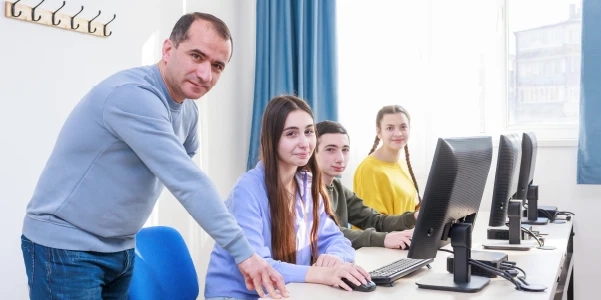
Backed by the Ministry of Education, Science, Culture and Sports of Armenia, the curriculum is fully integrated into the national education system, ensuring nationwide access to AI education.

Project-Based AI Learning
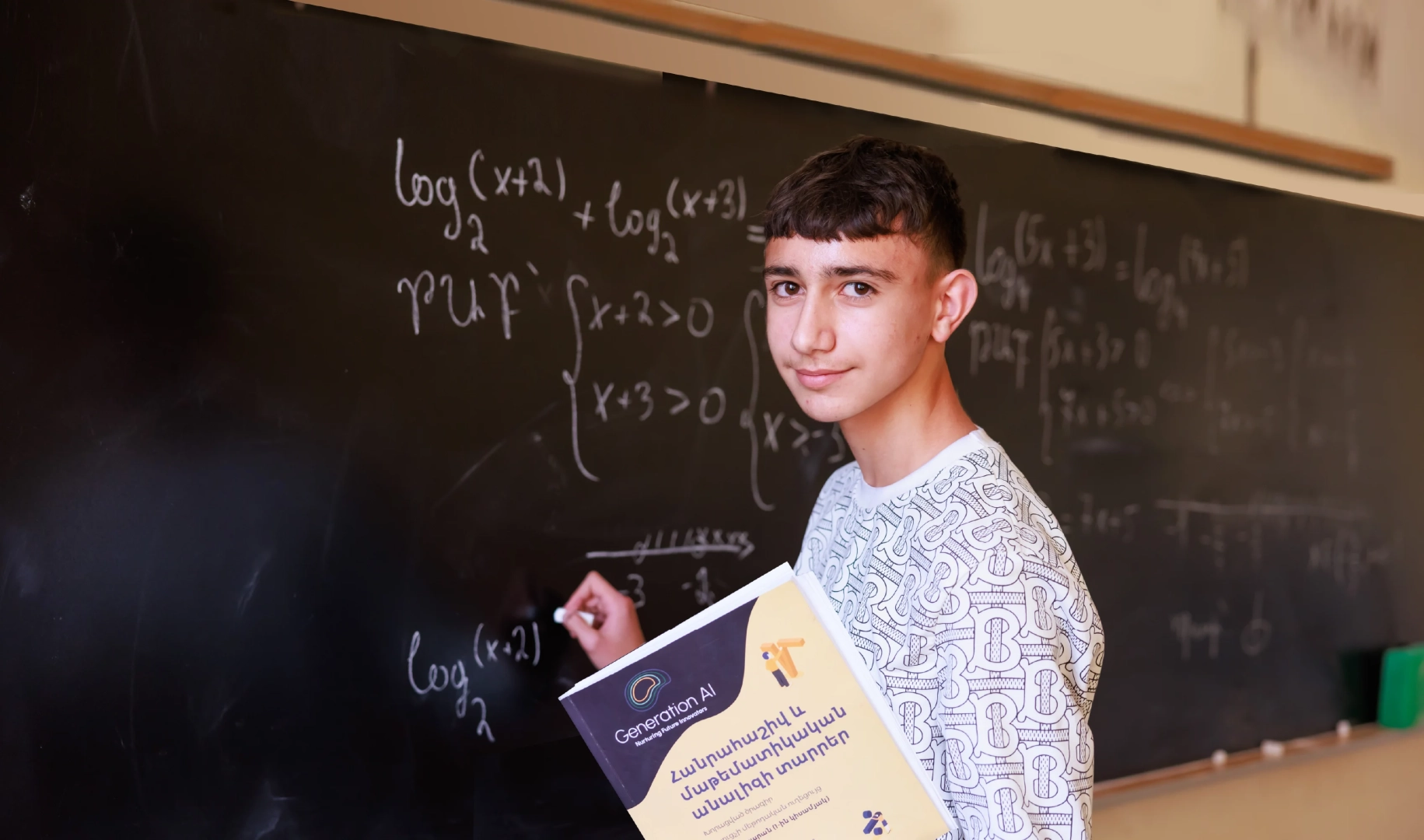
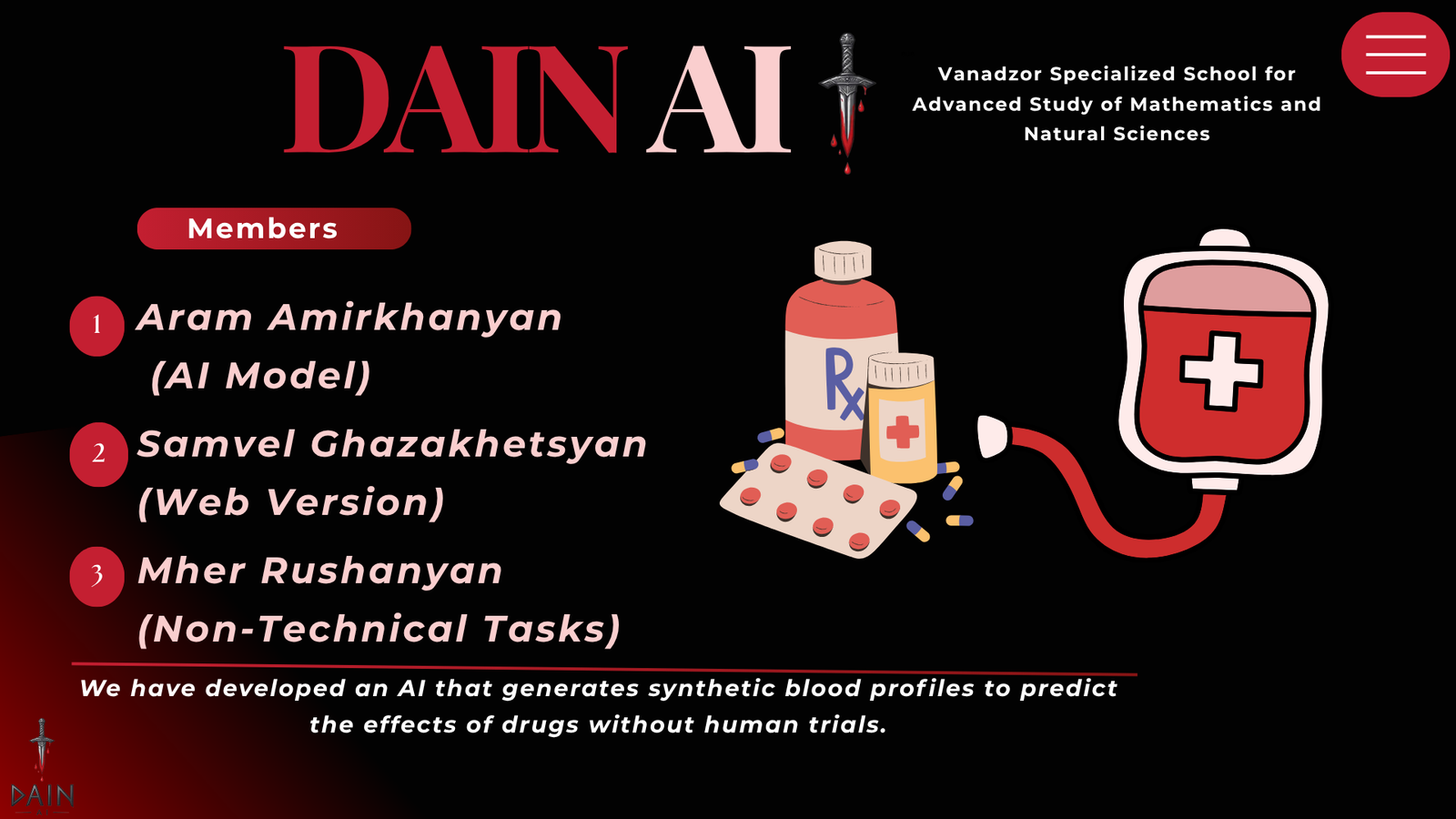
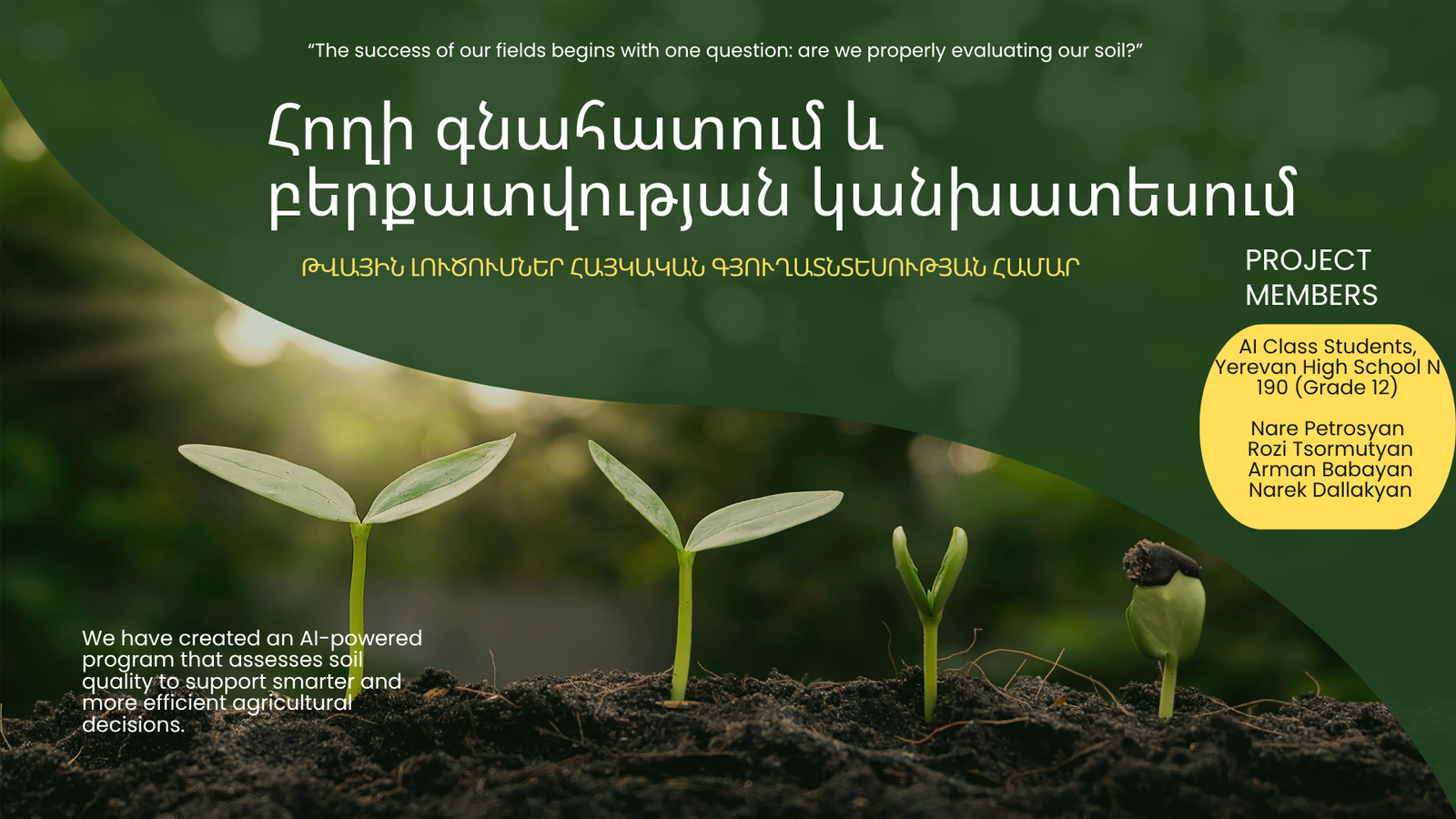
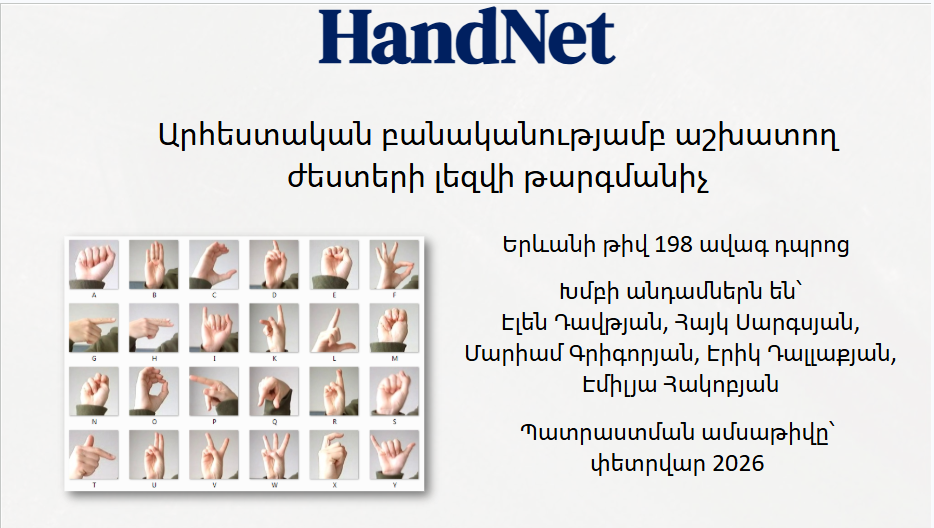
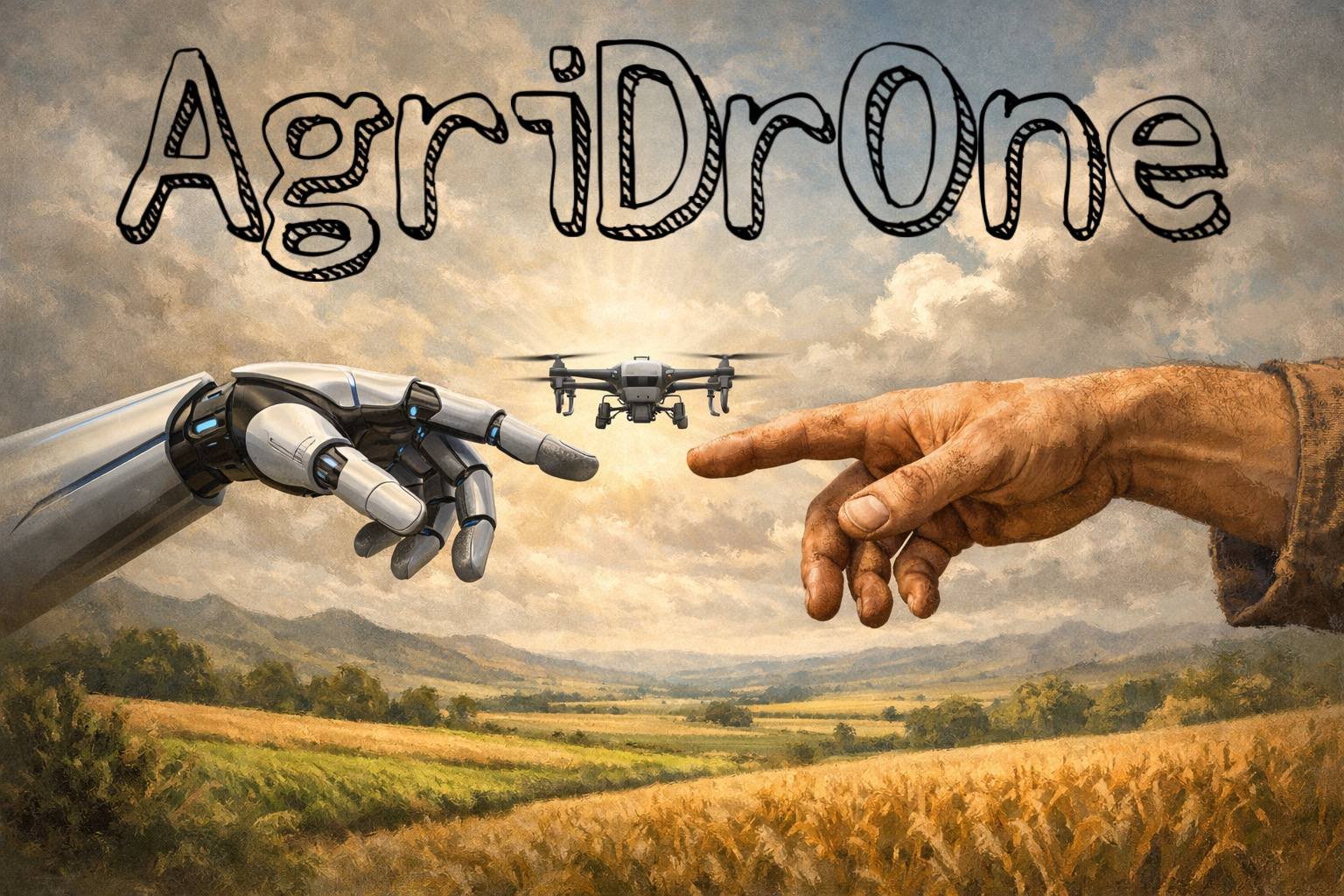
Across grades 10–12, the curriculum integrates extensive Project-Based Learning (PBL) in math, Python, and AI, enabling students to apply theory to real-world problems while strengthening critical thinking and problem-solving skills.

Designed for AI Creators, Not Just Users
Students move beyond AI literacy to advanced learning of ML, DL, NLP and LLM models. By graduation, they can build their own AI models, understand the underlying math and compete in international AI olympiads.

Expert-Led Design & Global Benchmarking
Developed by local and international experts, the curriculum is aligned with major global frameworks, including UNESCO’s AI Competency Framework and AI4K12, ensuring academic rigor, global relevance, and industry alignment.
Soft Skills
Mindset: Analytical, critical, systemic, creative and innovative thinking
Personal Skills: Attention to detail, curiosity, independence, and adaptability
Teamwork: Communication, collaboration, organizational and planning abilities
Leadership: Decision-making, leadership, and strategic vision
Hard Skills
Mathematics and Statistics: Mathematical thinking, numerical and statistical analysis and modeling for AI
Data Science and AI: Data collection and analysis, ML and AI models (Regression, Decision Tree, CNN, NLP, Transformers)
Programming and Computational Skills: Python programming, data structures, algorithms, version control, and debugging
Projects and Technical Communication: Project development, documentation, presentation and organization
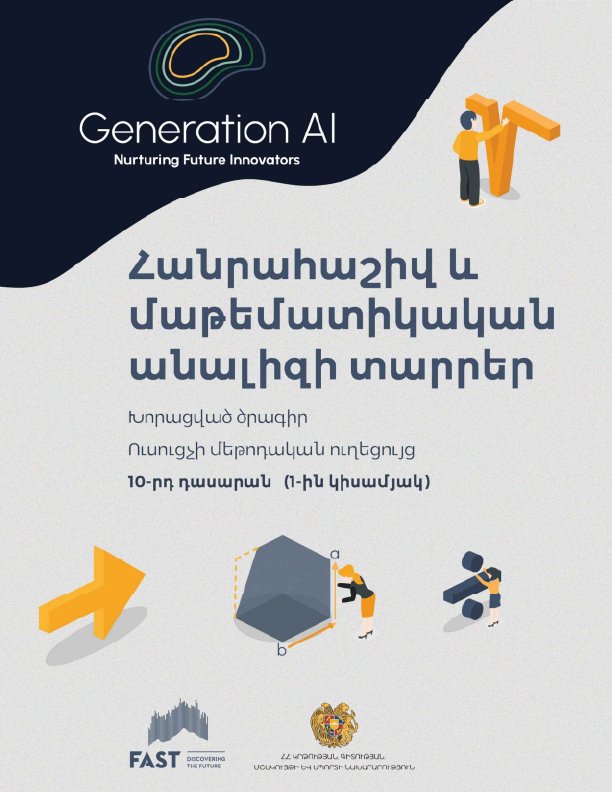
Teacher Methodological Guidelines
Aligned with International Frameworks